
- Services
- Stem Cell Therapy
Stem Cell Therapy for Joint Pain in Troy, Michigan
Stem cell therapy for joint pain places biologic material into a painful joint to reduce pain and improve function. Yousif Orthopedic Surgery offers this treatment for carefully selected candidates at its Troy office, alongside established options such as physical therapy, gel injections, PRP treatment, and surgery when it is indicated.
Before anything is injected, two things need to be clear: what the treatment can reasonably be expected to do, and what it cannot. This page covers both, including the regulatory picture that most clinics leave out.
Request An Appointment
- Umbilical Cord Stem Cell Therapy
What Is Umbilical Cord Stem Cell Therapy?
Umbilical cord stem cell therapy means injecting material derived from donated umbilical cord tissue into a joint. The cord is recovered after a healthy full-term delivery with the mother’s consent, so no embryo is involved. A few terms make the advertising easier to read.Clinical studies show that over 90–95% of patients experience significant pain relief and functional improvement after procedures such as rotator cuff repair and shoulder replacement.
At Yousif Orthopedic Surgery, safety protocols, experienced surgeons, and personalized surgical planning work together to ensure optimal outcomes for every patient.

The Terminology Patients Run Into

Wharton's Jelly
The soft, gel-like connective tissue inside the cord. It contains cells, collagen, and hyaluronic acid and is the source material for many products used in joint injections.

Cord Blood
Blood remaining in the cord and placenta after birth. Different material from cord tissue, with a different regulatory status.

Mesenchymal stem cells (MSCs)
A cell type found in bone marrow, fat, and cord tissue. When a clinic advertises a stem cell umbilical cord product, MSCs are usually what is being implied.

Amniotic products
A separate birth-tissue category. An amniotic fluid injection for knee pain is not the same as a cord tissue injection, though the two are often marketed as if they were.
Terms in regenerative orthopedic medicine are used loosely across the industry, and independent testing has repeatedly found that commercial birth-tissue products contain fewer living cells than their names suggest. At Yousif Orthopedic Surgery, safety protocols, experienced surgeons, and personalized surgical planning work together to ensure optimal outcomes for every patient.

Is Cell Umbilical Cord Stem Therapy FDA Approved?
No, and any clinic telling you otherwise is misinformed or misleading you. According to the FDA’s patient information on regenerative medicine therapies, the only stem cell products approved in the United States are blood-forming stem cells derived from umbilical cord blood, approved for specific blood and immune-system disorders. Joint injection is not among the approved uses.
Why "FDA registered" is not "FDA approved"
Human tissue products fall under 21 CFR Part 1271. A product can be supplied under Section 361 without premarket approval if it is minimally manipulated and intended for homologous use, meaning it performs the same basic function in the recipient as in the donor.
As the FDA sets out in its guidance on minimal manipulation and homologous use, orthopedic use of cord tissue is not considered homologous use, because the cord’s basic function is to serve as a conduit. Products outside those criteria are regulated as biologic drugs under Section 351 and require full approval.
In practice, umbilical cord stem cell injections used in joints are supplied under tissue registration rather than drug approval. Registration means a company filed paperwork. Approval means a product proved it works. The regulatory status of the product used at our facility is disclosed to every patient as part of informed consent.
What this means for you
It means the treatment is offered as an option supported by early evidence, not as an approved therapy with settled outcomes. That distinction is made in writing before treatment, not after.
How Does It Work?
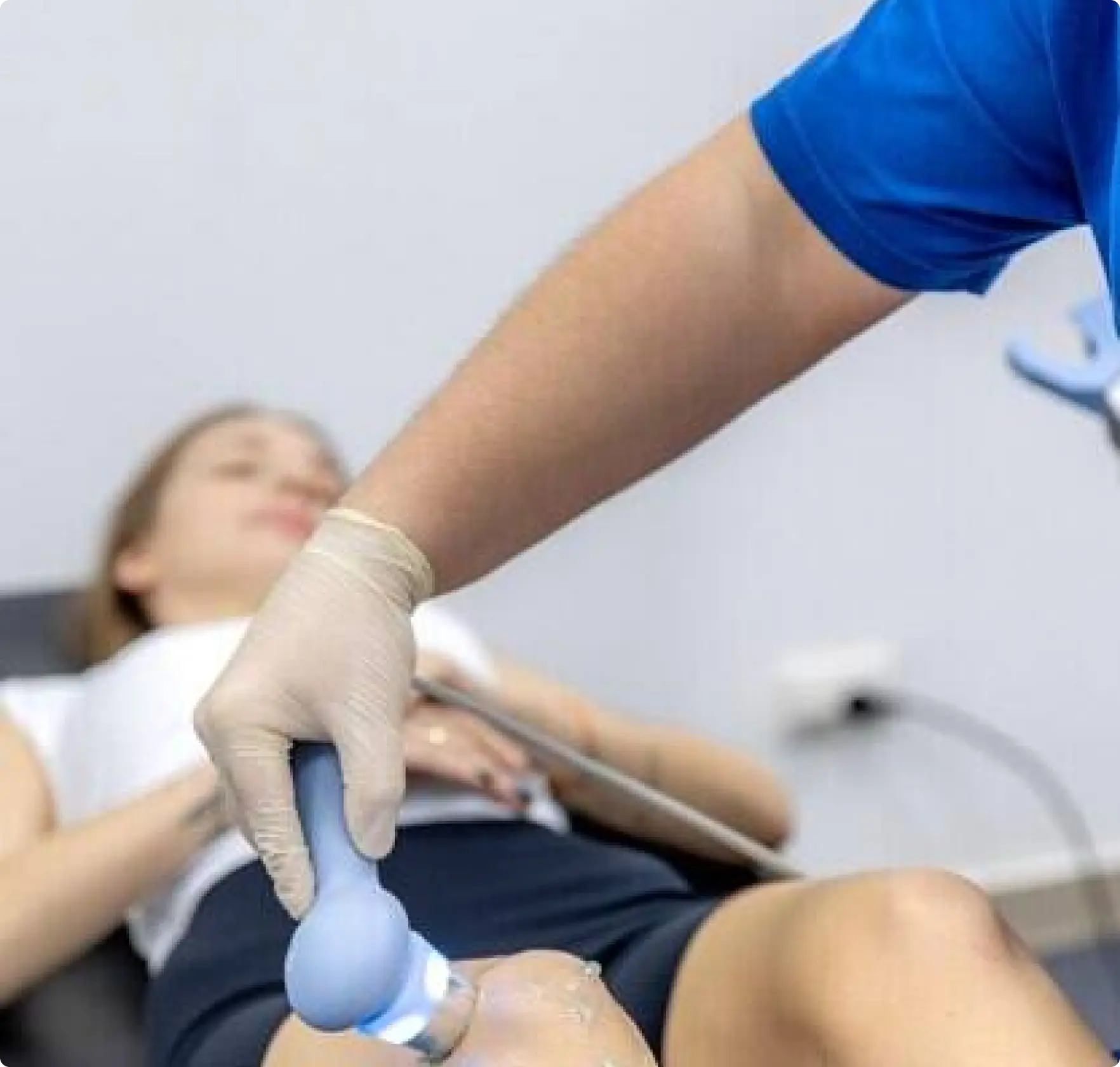
The proposed mechanism is biological rather than mechanical. Cord tissue contains cells and signaling proteins that reduce inflammatory activity and influence how nearby cells behave.
Donated tissue is screened for communicable disease, processed, and frozen. It is thawed and injected into the joint space. What happens after that is where marketing and science part company.
Early theories assumed injected cells would take hold and grow new cartilage. Current thinking in orthopedic regenerative medicine favours a paracrine effect instead, meaning any benefit likely comes from anti-inflammatory signaling rather than new tissue being built. That injected cells survive long term or rebuild cartilage in human joints has not been established, and no one at this practice will tell you otherwise.
At Yousif Orthopedic Surgery, safety protocols, experienced surgeons, and personalized surgical planning work together to ensure optimal outcomes for every patient.
What Conditions are treated?
| Condition | Where this fits | Options usually tried first |
|---|---|---|
| Knee osteoarthritis, mild to moderate | The most common reason patients ask about stem cell therapy for knee osteoarthritis, and where evidence is least unfavourable | Weight management, exercise therapy, NSAIDs, gel injections , PRP treatment , cortisone injections |
| Shoulder arthritis, rotator cuff pain | Patients researching stem cell therapy for shoulder pain who want to delay or avoid replacement | Physical therapy, injections, shoulder conditions evaluation |
| Hip arthritis, labral pain | Where questions about stem cell therapy for hips cost usually come up | Activity modification, therapy, hip conditions evaluation |
| Tendon and sports injuries | Athletes seeking a return to activity | Sports medicine rehabilitation |
Whether stem cell therapy for knee or shoulder symptoms is appropriate depends on the confirmed diagnosis, the grade of damage on imaging, age, activity level, prior treatment, general health, and what you want to achieve. Two people with similar X-rays can be reasonable candidates for very different plans. If you are still working out the cause of your symptoms, start with knee pain causes and symptoms or what causes shoulder pain.
What Does the Research Show?
Early results are encouraging; the studies are small, and no major orthopedic body currently recommends these injections as routine care. Patients deserve that summary before they decide, not after.
The Knee Evidence
- A 2022 systematic review in the Orthopaedic Journal of Sports Medicine covered 385 patients treated with umbilical cord-derived MSC injections for knee osteoarthritis.
- Pain and function scores improved over a mean follow-up of 23.4 months.
- No severe adverse reactions were recorded in that review.
- The authors graded the work Level 4 evidence, the weakest tier, and called for randomized studies before efficacy can be considered established.
- A 2025 systematic review in the Journal of Functional Biomaterials on Wharton's jelly injections found six clinical trials totaling 97 patients and 134 knees.
- Functional scores improved, and no serious adverse effects were reported, but imaging outcomes were mixed. Imaging is where structural change would appear, which matters for anyone told that umbilical cord stem cell therapy for knees rebuilds tissue.

What the professional societies say
- The AAHKS position statement on biologics, updated in 2025, states that mesenchymal stem cell injections cannot currently be recommended for routine treatment of advanced hip or knee arthritis.
- AAHKS adds that biologic injections have not been shown to restore cartilage in arthritic joints.
- AAHKS also notes that culture-expanded MSCs have not proven superior to corticosteroid injections in advanced knee arthritis.
- The ACR and Arthritis Foundation guideline recommends against stem cell injections for hip and knee osteoarthritis.
- These positions address advanced, bone-on-bone disease specifically, which is where the evidence is weakest.
- That is why the treatment is offered selectively here, and why patients with advanced arthritis are generally directed toward options with stronger evidence.

What the Evidence Base Is Still Missing
- Few large randomized trials with placebo or active comparators
- No standardized product, dose, or protocol between studies
- Short follow-up in most trials
- Very little published data on stem cell therapy for shoulder arthritis or hip arthritis compared with the knee
- No demonstrated reversal of stem cell therapy for knee cartilage loss in human joints

Cord Tissue vs PRP vs Bone Marrow
| Umbilical cord tissue | PRP | Bone marrow (BMAC) | |
|---|---|---|---|
| Source | Donated cord tissue from another person | Your own blood | Your own pelvic bone marrow |
| How obtained | Supplied by a tissue processor, thawed before use | Blood draw and centrifuge in office, same visit | Needle aspiration from the iliac crest under local anesthetic |
| Biological basis | Cells and signaling proteins in Wharton's jelly | Concentrated platelets and growth factors | Marrow cells containing a small fraction of MSCs |
| Evidence maturity | Least mature. Small studies, no standardization | Most studied of the three. AAOS found PRP may reduce pain and improve function in knee osteoarthritis | Moderate. Mixed results, not shown superior to steroid injection in advanced arthritis |
| Regulatory status | Not FDA approved for joint use. Supplied under tissue registration | Considered off-label, generally exempt from premarket approval | Generally exempt when minimally manipulated |
| Offered here | Yes, for selected patients | Yes, PRP treatment | Yes |
A stem cell injection in the knee using donated cord tissue avoids a marrow harvest, which is more comfortable for the patient and requires no separate procedure. It also carries less mature evidence than PRP.
For many patients with mild to moderate knee arthritis, PRP or gel injections are the more appropriate first step, and that is often what gets recommended. A stem cell injection for knee pain is discussed when those options have been tried, when imaging supports it, and when the patient understands the evidence limitations. None of the three is universally better. The choice follows the diagnosis.
What Happens During Treatment?

Consultation
Your visit begins with a review of your symptom history and previous treatment, a physical examination of the affected joint and the joints above and below it, and imaging. In-office X-ray and ultrasound at the Troy location mean much of this happens the same day.

Discussion
You will leave the consultation knowing your diagnosis, the grade of joint damage, every reasonable option including waiting, and where each sits on the evidence spectrum. If a stem cell knee injection is not the right step for your situation, you will be told that.

Informed consent
Before treatment, you receive in writing: the specific product being used, its regulatory status, what the treatment may reasonably achieve, what it cannot, the risks, the alternatives, and the total cost. Nothing about the treatment is presented as guaranteed.

The injection
The procedure is performed in the office and takes minutes. The joint is cleaned and numbed, and the material is injected into the joint space. Advanced imagery and guidance are used. Patients considering a stem cell injection for shoulder or knee pain are usually surprised by how brief it is.

Recovery
Most patients go home the same day. Soreness and mild swelling for a few days are common. You will be asked to reduce high-impact activity briefly. Follow-up is scheduled to assess whether the treatment is helping. Stem cell shoulder treatment and knee treatment follow the same general pattern.

Risk Understanding
Risks include injection site pain, swelling, bleeding, and joint infection. These are uncommon but real, and they are discussed before you consent. In case of any severity in symptoms, call Yousif Orthopedic Surgery immediately.
Yousif orthopedic surgery– The Finest Orthopedic Surgeons in Michigan


How Much Does Stem Cell Therapy Cost?
This treatment is self-pay. Because these products are not FDA-approved for joint conditions, insurance carriers generally do not cover them, and AAHKS specifically names high out-of-pocket cost as a factor patients should weigh.
The cost of stem cell therapy depends on:
- The product used and the volume required
- Which joint is treated, and how many
- Whether more than one injection is planned
- Whether imaging guidance is used
- Consultation and follow-up visits
- Any physical therapy included in the plan
- Testimonials
Real Stories. Real Recoveries.
Posted onTrustindex verifies that the original source of the review is Google. Professional and kind. Awesome staff and wonderful doctor!Posted onTrustindex verifies that the original source of the review is Google. The staff is on top of itPosted onTrustindex verifies that the original source of the review is Google. Great placePosted onTrustindex verifies that the original source of the review is Google. He is the most informative doctor!! Takes his time. Answered all of my questions!!! Very, very pleasant and personable. Great experience!!!Posted onTrustindex verifies that the original source of the review is Google. Dr. Yousif made my experience for both of my hip surgeries great. From the initial consultation to post-op care, they were professional, knowledgeable, and attentive. They took the time to answer all my questions and made me feel comfortable about the procedure since I’m very young. The surgeries went smoothly and both hips are recovered! I highly recommend them to anyone in need of a skilled and compassionate hip surgeon any age.
Schedule Your Consultation Today
Are you ready to move better and live without pain? Dr. Yousif is an expert orthopedic surgeon in Detroit and Troy, Michigan. Schedule a consultation today to discuss your treatment options.
Your Pathway To Recovery

Schedule Your
Appointment
Book your consultation online or by phone.

Comprehensive
Assessment
We diagnose your condition using advanced technology.

Effective
Treatment
We create a custom plan to meet your specific needs.
Who Is Not a Good Candidate?
Not everyone with joint pain is an appropriate candidate, and patients who are not are told so rather than treated anyway.
- The diagnosis is not confirmed. Injecting a joint before knowing what is wrong with it is not a treatment plan.
- Advanced, bone-on-bone arthritis.When cartilage is gone, injections of any kind have less to work with, and joint replacement is usually what restores function.
- Active infection, in the joint or systemically.
- Certain systemic conditions, including active malignancy, bleeding disorders, or poorly controlled inflammatory disease.
- Unexplained symptoms such as fever, night pain, or unexplained weight loss, which need investigation first.
- A structural problem that needs fixing,such as a mechanically locking meniscus or an unstable joint.
- Expectations of guaranteed regeneration. Anyone expecting stem cell therapy for knee arthritis to regrow cartilage has been misinformed, and that mismatch usually ends in disappointment.
If knee surgery, hip surgery, or shoulder surgery is the clinically appropriate answer, delaying it for an injection carries a cost of its own.

Questions to Ask Any Provider, Including Us
Bring this list to any clinic, including this one. Every question below can be answered here in writing.
- What exactly is being injected, by product name and manufacturer?
- Is it regulated under Section 351 or Section 361, and is it FDA approved for my condition?
- What published evidence supports this product for my specific diagnosis?
- What is my Kellgren-Lawrence grade or equivalent measure of joint damage?
- Would PRP, gel injections, or physical therapy be more appropriate for my case?
- Can you answer whether umbilical cord stem cell therapy is safe with data rather than reassurance?
- What are the risks, and what happens if it does not work?
- What is the total cost including follow-up, in writing?
If a clinic cannot answer the first three clearly, that tells you something.

Why Patients Choose Yousif Orthopedic Surgery
The treatment should follow the diagnosis, not the other way around. That is the practical difference between an orthopedic practice that offers biologics and a clinic built to sell them.
Dr. Matthew Yousif is a fellowship-trained orthopedic surgeon who evaluates and treats knee, shoulder, and hip conditions across the full range of care, from activity modification and therapy through injections and, when genuinely indicated, surgery. Because every option is available here, there is no reason to steer a patient toward one that does not fit the diagnosis.
Some patients who ask about stem cell therapy in Troy, MI leave with a therapy referral or a PRP plan instead, and that is the point.
- blog & articles
read top articles from expert doctors
ACL vs Meniscus Tear: Differences, Diagnosis, Treatment

What Causes Shoulder Pain? A Complete Guide by Orthopedic Experts

When to See A Sports Medicine Specialist: Signs You Should Know!

Best Exercises for Tennis Elbow: At‑Home Exercises for Tennis Elbow

Knee Pain Explained: Causes, Symptoms, & Your Guide to Seeing an Orthopedic Doctor

Hip Arthroscopy: Your Comprehensive Guide to Procedure, Recovery, and Outcomes
- Faqs
Frequently Asked Questions
Have questions about our services, appointments, or recovery process? Here are answers to some of the most common questions our patients ask—so you can feel informed and confident every step of the way.
Is stem cell therapy FDA approved for knee arthritis?
No. The only FDA-approved stem cell products in the United States are blood-forming stem cells derived from umbilical cord blood, approved for certain blood and immune-system disorders. Nothing is approved to treat arthritis of the knee, hip, or shoulder, and this is disclosed to every patient before treatment.
Does it actually work for knee pain?
Early studies report improvement in pain and function, but they are small, short, and use inconsistent products. Anyone researching stem cell therapy for knee pain should understand it as an emerging option rather than a proven one.
Can these injections regrow cartilage?
There is no established evidence that they regrow cartilage in human joints. AAHKS states directly that biologic injections have not been shown to restore cartilage in arthritic hips and knees. Any provider promising regeneration is going beyond the evidence.
Is umbilical cord stem cell therapy safe?
Published studies have not reported serious adverse events, and reviews of biologic injections have found safety profiles comparable to saline placebo. The main risks are ordinary injection risks: pain, swelling, bleeding, and infection.
How long does stem cell therapy last?
Follow-up in most studies runs from a few months to about two years, and results vary widely.
Is it better than PRP?
PRP has a larger evidence base for mild to moderate knee arthritis, uses your own blood, and usually costs less. Both are offered here, and which one gets recommended depends on your diagnosis and imaging rather than on price.
Will it help me avoid knee replacement?
It has not been shown to prevent or delay joint replacement in advanced arthritis. In bone-on-bone arthritis, replacement remains the intervention with the strongest evidence for restoring function.
What about shoulder pain?
Evidence for stem cell for shoulder pain is thinner than for the knee, and the 2020 AAOS guideline on glenohumeral arthritis states that injectable biologics including stem cells cannot be recommended. Shoulder pain has many causes, so confirming the diagnosis comes first.
Does insurance cover it?
Generally no. The treatment is self-pay, and you receive a written quote at consultation before anything is scheduled.
I searched for stem cell therapy near me and found a lot of clinics. How do I compare them?
Ask each one the questions listed above, particularly what product is being injected and whether it is FDA-approved for your condition. Searches for stem cell therapy near me in Metro Detroit return a mix of orthopedic surgeons, pain physicians, and non-physician clinics. The training of the person evaluating you matters as much as the injection.

Contact Info
Office Timings
Monday - Friday
(8:00am to 4:00pm)