
- Location
- Farmington Hills
Hip Arthritis: Symptoms, Stages and When to See a Doctor
Hip arthritis is wear of the cartilage that cushions the hip joint, most often from osteoarthritis. It usually causes groin or front-of-thigh pain, stiffness after rest, and trouble with socks, shoes, or getting out of a car. It’s diagnosed with an exam and X-rays. Exercise, weight management, and medication come first; hip replacement is an option for advanced arthritis.
Hip arthritis is a common cause of hip pain and stiffness in adults. Osteoarthritis of the hip affects about 1 in 14 adults (AAFP, 2025), and roughly 1 in 4 people will develop symptoms of it at some point in their lives (Murphy et al., 2010).
Request An Appointment
- Overview
What Is Hip Arthritis?
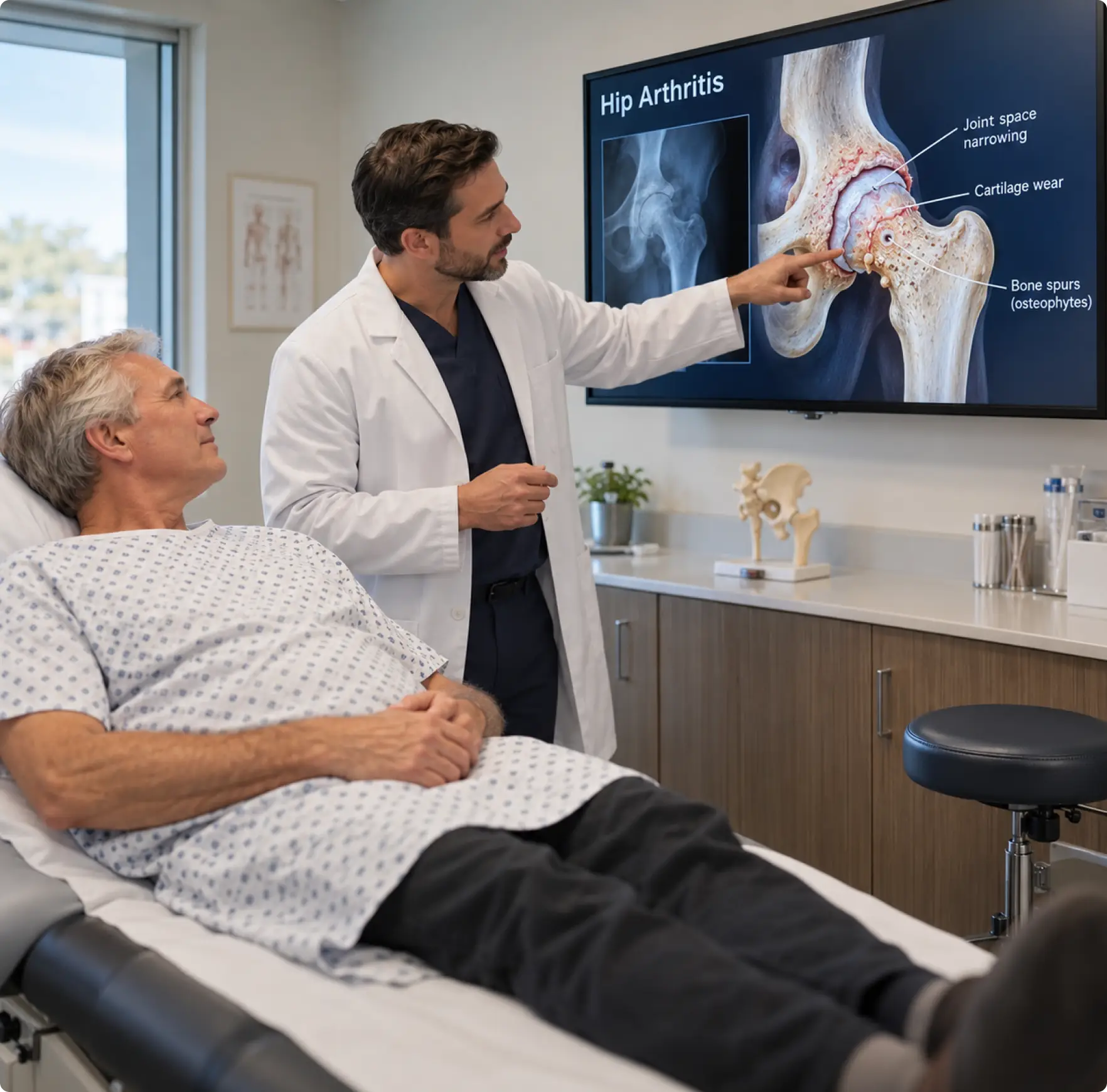
The hip is a ball-and-socket joint. Both surfaces are covered with smooth cartilage that lets the joint glide and absorbs load when you walk, stand, and turn. In hip arthritis, this cartilage gradually thins and roughens. The joint space narrows, bone spurs form at the edges, and the lining of the joint can become inflamed. Over time, movement becomes stiffer and more painful.
Most hip arthritis is osteoarthritis, the wear-related type. Other types include post-traumatic arthritis after a hip injury or fracture, and inflammatory arthritis such as rheumatoid arthritis or ankylosing spondylitis, which are managed with a rheumatologist.
Many people live with early symptoms for years, assuming it’s a pulled muscle or normal aging. This page explains what hip arthritis is, where the pain is felt, how it’s diagnosed and staged, and which treatments the evidence supports. For procedure details, see our hip surgery page.
Stages of Hip Osteoarthritis
Doctors usually describe the stages of osteoarthritis of the hip by what X-rays show, often using the Kellgren-Lawrence grade. Symptoms don’t always match the X-ray: some people with moderate changes have little pain, and the reverse.
Types and Stages of Hip Arthritis We Manage
- Early (grade 1–2): Possible small bone spurs; joint space normal or slightly narrowed. People feel occasional stiffness or ache after activity
- Moderate (grade 3): X-ray shows clear joint space narrowing, several bone spurs. People feel regular pain, reduced rotation, trouble with long walks.
- Severe (grade 4): X-ray shows little or no joint space ("bone on bone"), large spurs, bone cysts, change in bone shape. People feel Pain with most activity and at night, limp, difficulty with daily tasks.
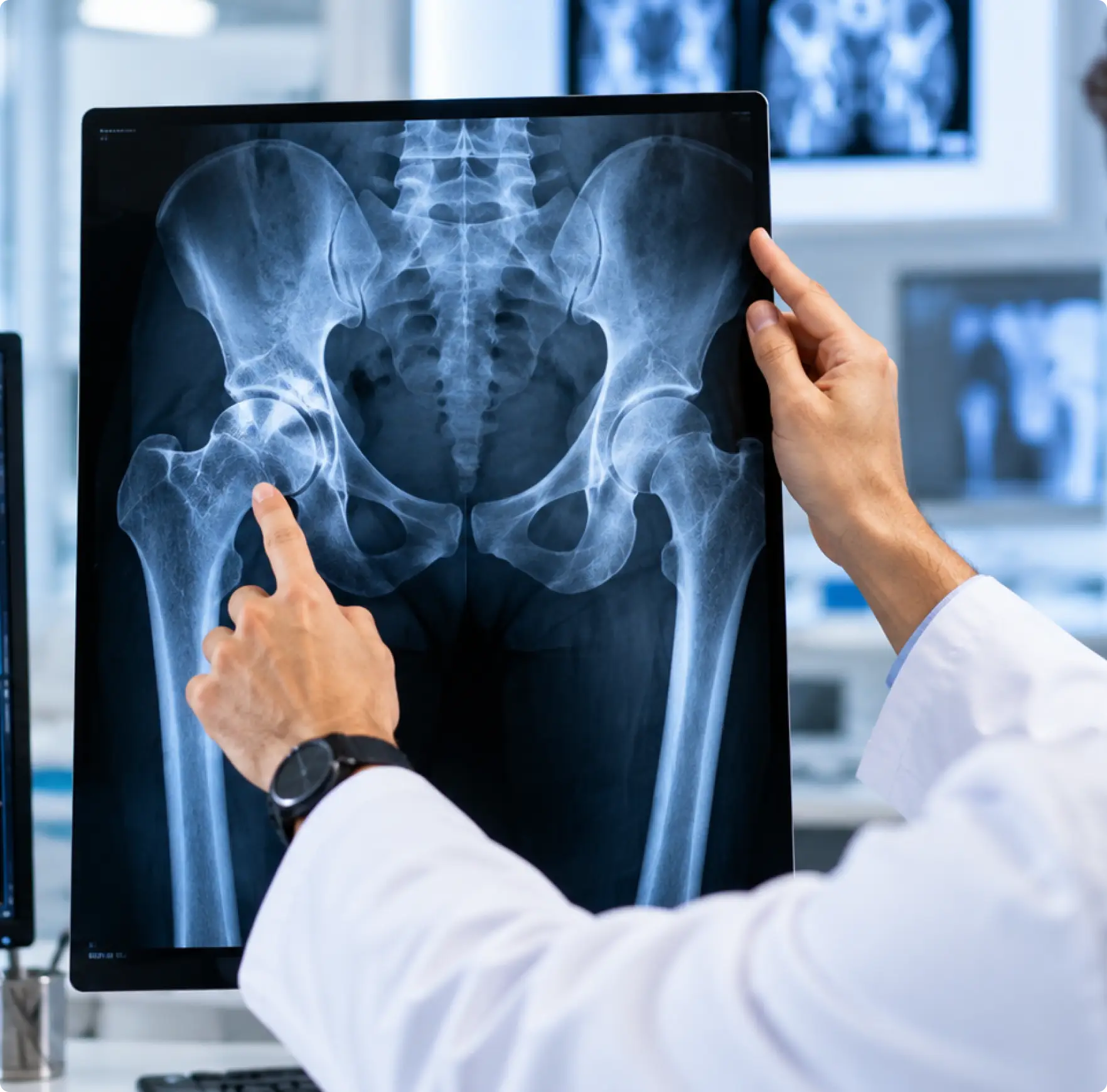
A severe hip arthritis X-ray typically shows the ball and socket touching with no visible cartilage gap. Even then, the decision about surgery depends on your symptoms and goals, not the image alone.
Hip Arthritis: Why Accurate Diagnosis Matters

- Diagnosis
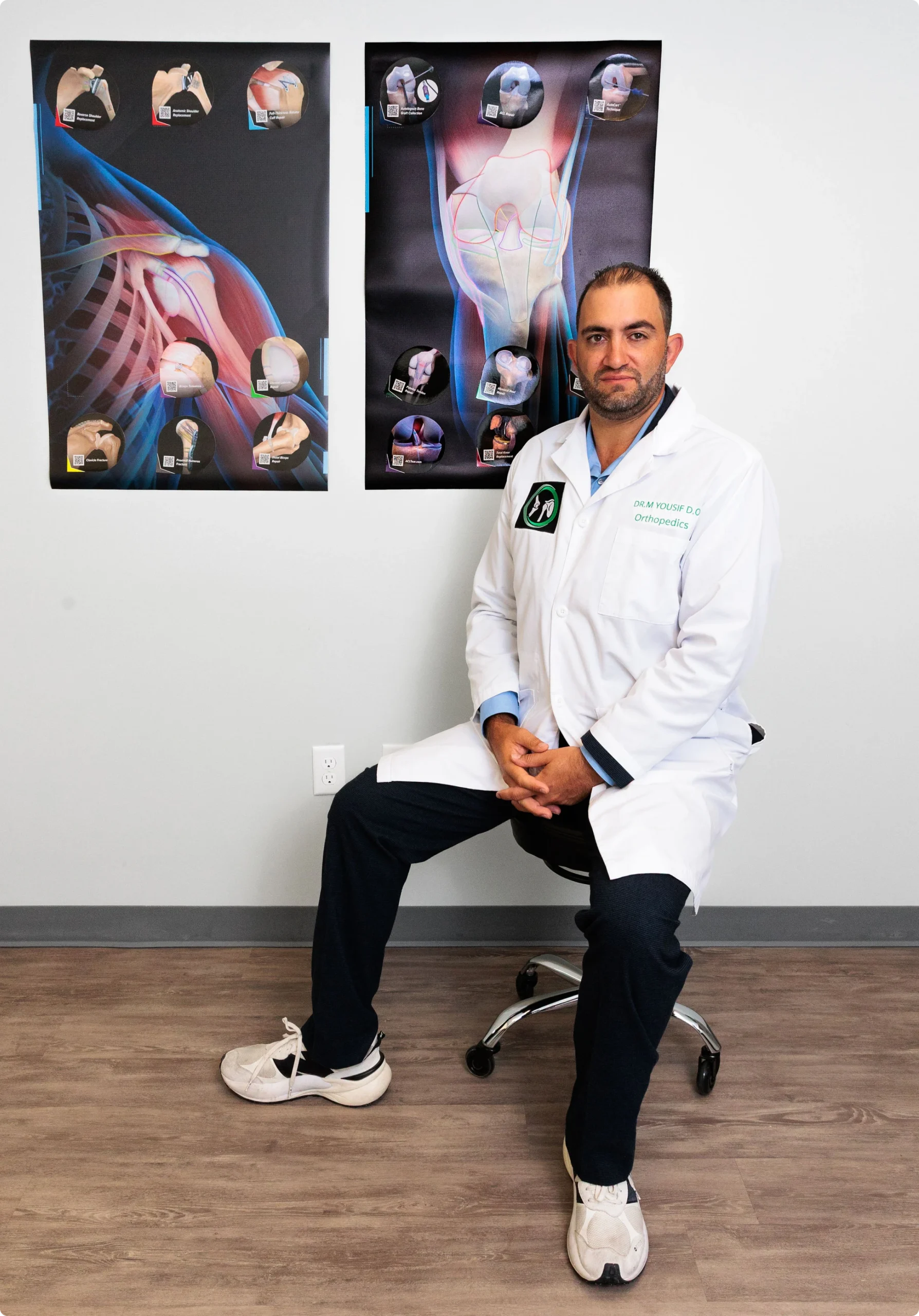
How Is Hip Arthritis Diagnosed?
At Yousif Orthopedic Surgery, hip arthritis diagnosis may include:
- History: Where the pain is, what triggers it, how long stiffness lasts, and how it affects daily life.
- Exam: Gait, hip range of motion (loss of internal rotation is an early sign), strength, and tests to rule out back, tendon, or bursa problems.
- X-rays: Taken in our office, including a standing pelvis view, to measure joint space and check hip shape.
- MRI: Rarely needed for typical osteoarthritis; used when X-rays are normal but symptoms suggest early cartilage damage, avascular necrosis, or a labral tear.
- Diagnostic injection: Numbing medicine in the joint, often ultrasound-guided, can confirm the hip is the pain source when back and hip problems overlap.
- Blood tests: When inflammatory arthritis is suspected.
What Causes Hip Arthritis?
Hip arthritis develops due to a combination of mechanical stress, aging tissues, and joint imbalance. Understanding causes helps guide effective care.
Age-Related Cartilage Wear:
Over time, cartilage loses elasticity and shock-absorbing ability, increasing friction and inflammation within the hip joint.

Excess Joint Load:
Extra body weight increases compressive forces across the hip, accelerating cartilage breakdown and structural joint changes.

Previous Hip Injury:
Old fractures, dislocations, or hip labral tears change how load passes through the joint.
Other conditions:
Inflammatory arthritis, or loss of blood supply to the bone (avascular necrosis).
- Common Symptoms
Common Hip Arthritis Symptoms
What does hip arthritis feel like? Most people describe a deep, aching pain that builds with activity and stiffness that eases after a few minutes of moving. Common symptoms include:
- Groin or front-of-thigh pain, sometimes in the buttock or knee
- Stiffness after sitting or first thing in the morning, usually easing within 30 minutes
- Trouble putting on socks and shoes, cutting toenails, or getting in and out of a car
- Reduced range of motion, especially turning the leg inward
- Pain with walking, stairs, or standing for long periods
- A limp, or shortening your stride on one side
- Grinding or crunching in the joint
- In advanced arthritis, pain at rest or at night
- Morning stiffness lasting more than an hour, or pain in several joints, suggests inflammatory arthritis and should be evaluated.

How Is Hip Arthritis Managed?
Arthritis can’t be reversed, but most people can reduce pain and stay active, especially when care starts early. Treatment depends on the stage, your symptoms, and your goals.

Treatment for hip arthritis without surgery
- Exercise and physical therapy to improve strength, flexibility, and walking, especially for mild to moderate arthritis
- Anti-inflammatory medication (NSAIDs), which consistently reduce hip arthritis pain when they are safe for you
- Corticosteroid injections, often ultrasound-guided, which can improve pain and function for up to about four months (AAFP, 2025)
- Weight management to reduce load on the joint
- A cane in the hand opposite the painful hip, and activity changes that keep you moving without flaring pain
- Education on long-term joint preservation
When surgery is considered for hip arthritis
- Total hip replacement: The most reliable surgical option for advanced hip arthritis. It replaces the damaged joint surfaces with an artificial joint.
- Hip arthroscopy: Rarely helps once arthritis is established, so it isn't usually recommended for arthritic hips.
- Bone-realignment surgery: May be discussed with a specialist for some younger patients with hip dysplasia and early arthritis.
- Learn more: Procedures, recovery, and risks are covered on our hip surgery page.

- Why Choose Yousif Orthopedic Surgery
Why See Dr. Matthew Yousif, DO for Hip Arthritis
Hip arthritis is a progressive condition that requires evidence-based care, and a long-term joint preservation strategy. At Yousif Orthopedic Surgery, our conservative-first, patient-focused approach is designed to slow disease progression, reduce pain, and protect hip function for as long as possible.
- Board-certified, fellowship-trained surgeon: Dr. Matthew Yousif, DO has over 15 years of combined medical and surgical experience and fellowship training in sports medicine.
- Same-visit X-rays and ultrasound: Imaging in our office means a clearer answer at the first visit.
- Evidence-based options first: Treatments are recommended based on guidelines and your stage, not a one-size-fits-all plan.
- Full range of care: From exercise and injections through hip replacement, so there is no reason to steer you toward one option.

- Testimonials
Trusted Across troy & Metro Detroit
Posted onTrustindex verifies that the original source of the review is Google. Professional and kind. Awesome staff and wonderful doctor!Posted onTrustindex verifies that the original source of the review is Google. The staff is on top of itPosted onTrustindex verifies that the original source of the review is Google. Great placePosted onTrustindex verifies that the original source of the review is Google. He is the most informative doctor!! Takes his time. Answered all of my questions!!! Very, very pleasant and personable. Great experience!!!Posted onTrustindex verifies that the original source of the review is Google. Dr. Yousif made my experience for both of my hip surgeries great. From the initial consultation to post-op care, they were professional, knowledgeable, and attentive. They took the time to answer all my questions and made me feel comfortable about the procedure since I’m very young. The surgeries went smoothly and both hips are recovered! I highly recommend them to anyone in need of a skilled and compassionate hip surgeon any age.
We also operate in
Our primary office — 1500 West Big Beaver Road, Suite 115. Full diagnostic imaging, in-office procedures, and Dr. Yousif’s complete range of treatment services.
Detroit
Detroit-area patients regularly travel to our Troy office for joint replacement consultations, sports injury care, and orthopedic pain management.
Dearborn
We welcome Dearborn patients seeking specialized care for mobility restoration, joint health, and injury recovery at our Troy location.
Farmington Hills patients are a quick drive from our Troy office — no long commute needed for evaluation, treatment, or post-surgical follow-up.
Royal Oak residents come to us for shoulder, knee, and tendon condition management, with a conservative-care-first approach.
Southfield
Southfield patients have easy access to comprehensive orthopedic evaluation, non-surgical treatment, and pain management at our Troy office.
Novi-area patients can reach our Troy office in minutes for evaluation and treatment of joint, muscle, and sports-related injuries.
Bloomfield Hills
Bloomfield Hills patients are seen at our Troy office for advanced orthopedic evaluation and long-term mobility planning.
West Bloomfield
We see West Bloomfield patients for joint preservation, injury recovery, and non-surgical treatment planning at our Troy location.
Ann Arbor
Patients traveling from the Ann Arbor area receive the same personalized, non-surgical-first treatment planning as our closer-in patients.
Shelby TWP
Our second office — 53950 Van Dyke Avenue, Suite A, open Friday afternoons for follow-up visits and select appointments closer to the northern suburbs.
Schedule Your Consultation Today
Are you ready to move better and live without pain? Dr. Yousif is an expert orthopedic surgeon in Troy and Metro Detroit, Michigan. Schedule a consultation today to discuss your treatment options.
Your Pathway To Recovery

Schedule Your
Appointment
Book your consultation online or by phone.

Comprehensive
Assessment
We diagnose your condition using advanced technology.

Effective
Treatment
We create a custom plan to meet your specific needs.
- blog & articles
read top articles from expert doctors

Knee Pain Location Chart: What Your Pain Means
Quick answer: A knee pain location chart matches where your knee hurts to the structures underneath. Front pain usually involves the kneecap or its tendons, inner pain the medial meniscus or MCL, outer pain the IT band or lateral meniscus, and pain behind the knee a Baker’s cyst, hamstring strain or PCL injury. Location narrows […]
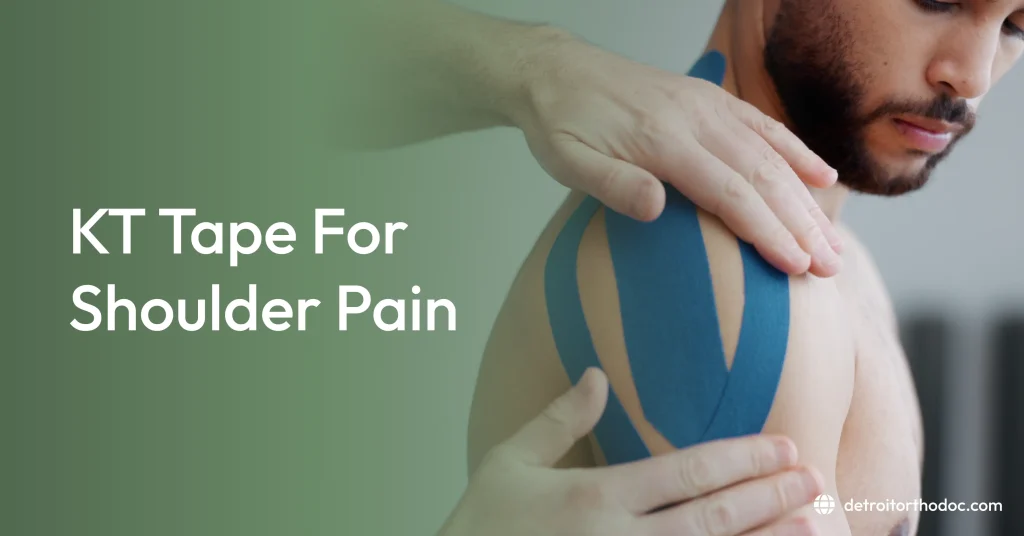
KT Tape for Shoulder Pain: How to Apply It and When to Use It
Quick answer: KT tape for shoulder pain is a stretchy kinesiology tape applied over the deltoid and rotator cuff to ease mild pain and improve your sense of shoulder position. Research shows it helps most when combined with exercise, not on its own. Lay the ends down with no stretch and the middle at 25 […]

Hip Pain at Night: Causes & Sleep Positions
Quick answer: Hip pain at night is most often caused by gluteal tendinopathy, a tendon problem on the outside of the hip that hurts when you lie on it. Arthritis, labral tears, and nerve or spine problems are other common causes. Sleeping on your back, or on the pain-free side with a full-length pillow between […]

Hip Pain When Walking: Causes, Warning Signs, and When to See an Orthopedic Doctor
Quick answer: Hip pain when walking is most often caused by hip osteoarthritis, gluteal tendinopathy, a labral tear, or a muscle strain. Groin pain usually points to the joint itself, while pain on the outer hip usually points to the tendons. Most cases improve with physical therapy and load management. See an orthopedic doctor if […]
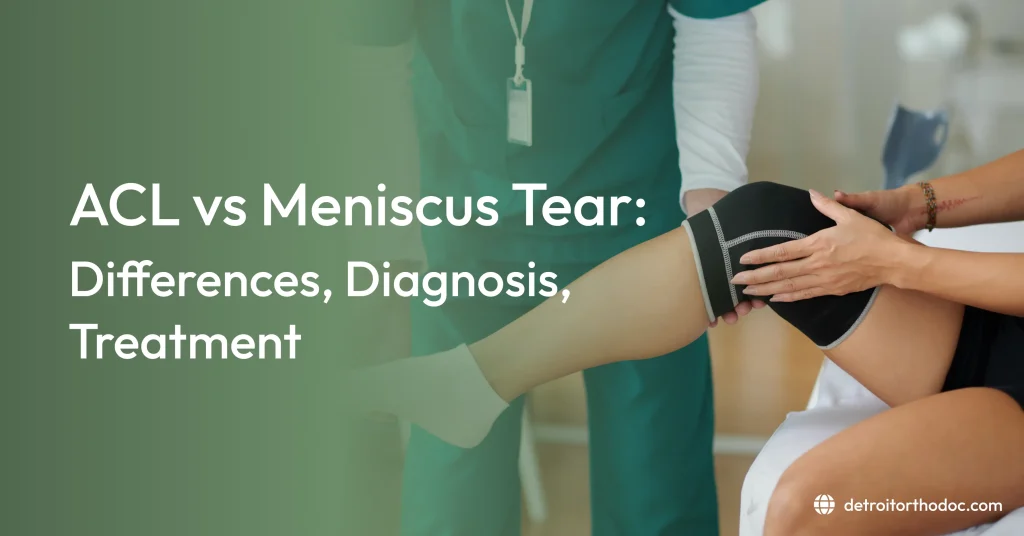
ACL vs Meniscus Tear: Differences, Diagnosis, Treatment

What Causes Shoulder Pain? A Complete Guide by Orthopedic Experts
- Faqs
Hip Arthritis FAQs
What are the early signs of hip arthritis?
Early signs include groin or front-of-thigh pain after activity, stiffness after sitting or in the morning that eases within about 30 minutes, and trouble putting on socks or shoes because the hip doesn’t turn inward as easily.
Where is hip arthritis pain felt?
Mostly in the groin and front of the hip, often spreading down the front of the thigh toward the knee. Pain on the outer hip or below the knee usually has another cause, such as a tendon problem or the lower back.
Can hip arthritis be cured?Can hip arthritis be cured?
No. Cartilage that has worn away doesn’t grow back, and claims of a cure aren’t supported by evidence. Exercise, weight management, medication, and injections can reduce pain, and hip replacement can relieve it in advanced arthritis.
What is the best treatment for hip arthritis without surgery?
Exercise or physical therapy, anti-inflammatory medication when it’s safe for you, weight management, and a corticosteroid injection for flares. These are the non-surgical options supported by the AAOS 2023 hip osteoarthritis guideline.
Do gel injections work for hip arthritis?
Not well. The AAOS strongly recommends against hyaluronic acid (gel) injections for hip arthritis because studies show no benefit over placebo. Gel injections are FDA-approved for knee arthritis, not the hip.
What exercises help hip arthritis?
Low-impact activities such as walking, cycling, swimming, and water exercise, plus strengthening for the glutes, thighs, and core. Avoid high-impact jumping and deep squats if they flare pain; a physical therapist can tailor a program.
When should I see a doctor for hip arthritis?
See a doctor if hip pain or stiffness lasts more than a few weeks, is getting worse, makes you limp, or limits walking, sleep, or work. Get prompt care for sudden severe pain, fever, or inability to bear weight.

Find The Best Orthopedic Doctor Near You
Contact Info
Office Timings
Monday - Friday
(8:00am to 4:00pm)
Don't Wait Until Hip Pain Limits Your Day
Many people put off an evaluation because they assume hip pain is just aging, or worry they’ll be pushed toward surgery. Most hip arthritis is managed without surgery for years, and an early diagnosis gives you more options.