
- Location
- Farmington Hills
Hip bursitis, why the outside of your hip hurts and how it is treated
Pain on the outside of your hip that flares when you lie on that side is usually called hip bursitis. Sometimes that’s the right name. Often it’s part of a wider problem, called greater trochanteric pain syndrome, that also involves the gluteal tendons attached at the same bony point.
Getting the label right matters because outer hip pain can also come from the low back, the hip joint or a labral tear, and each is treated differently. Most cases of true hip bursitis improve without surgery. Dr. Matthew Yousif, DO, a fellowship-trained orthopedic surgeon, sees hip patients at the Troy office.
Request An Appointment

- Overview
What is Hip Bursitis?
What It Is and How It Affects Movement
Hip bursitis, or bursitis of the hip, is inflammation of a bursa, a small fluid-filled sac that cushions the space between bone and soft tissue around the hip. Two bursae are commonly involved. The trochanteric bursa sits over the bony point on the outside of the hip and is the most common. The iliopsoas bursa sits on the inner, groin side and is less common, with pain felt in the groin.
The thing patients are often surprised to learn is that the bursa is rarely the whole story. The gluteal tendons attach at the same spot, and research on greater trochanteric pain syndrome treats bursitis and tendon irritation as one spectrum. That’s why a good exam looks at both.
Hip bursitis is more common in women and in middle-aged and older adults, and less common in younger people and men.
- Non-Surgical Care at the Right Time
Early, Non-Surgical Care at the Right Time
At Yousif Orthopedic Surgery, we emphasize early evaluation and non-surgical hip bursitis treatment whenever appropriate. Prompt care reduces inflammation and helps avoid unnecessary invasive procedures.
Causes of Hip Bursitis
- Repetitive Movement or Overuse: Activities such as running, cycling, or frequent stair climbing place repeated friction and load on the hip bursa. Over time, this constant mechanical stress overwhelms the bursa’s protective capacity, leading to inflammation and persistent outer hip pain.
- Abnormal Mechanics or Muscle Imbalance: Uneven gait patterns, leg length discrepancies, or weakness in the hip and pelvic stabilizing muscles can shift forces unevenly across the hip. This abnormal load concentration increases friction over the bursa, making it more susceptible to irritation and inflammation.
- Trauma or Direct Impact: A fall, collision, or direct blow to the outer hip can acutely irritate the bursa. Even a single traumatic event may trigger inflammation that persists if movement patterns are not corrected during recovery.
- Prolonged Pressure: Regularly sitting on hard surfaces or lying on one side for extended periods places sustained pressure on the hip bursa. This constant compression reduces blood flow and increases irritation, leading to chronic inflammation over time.
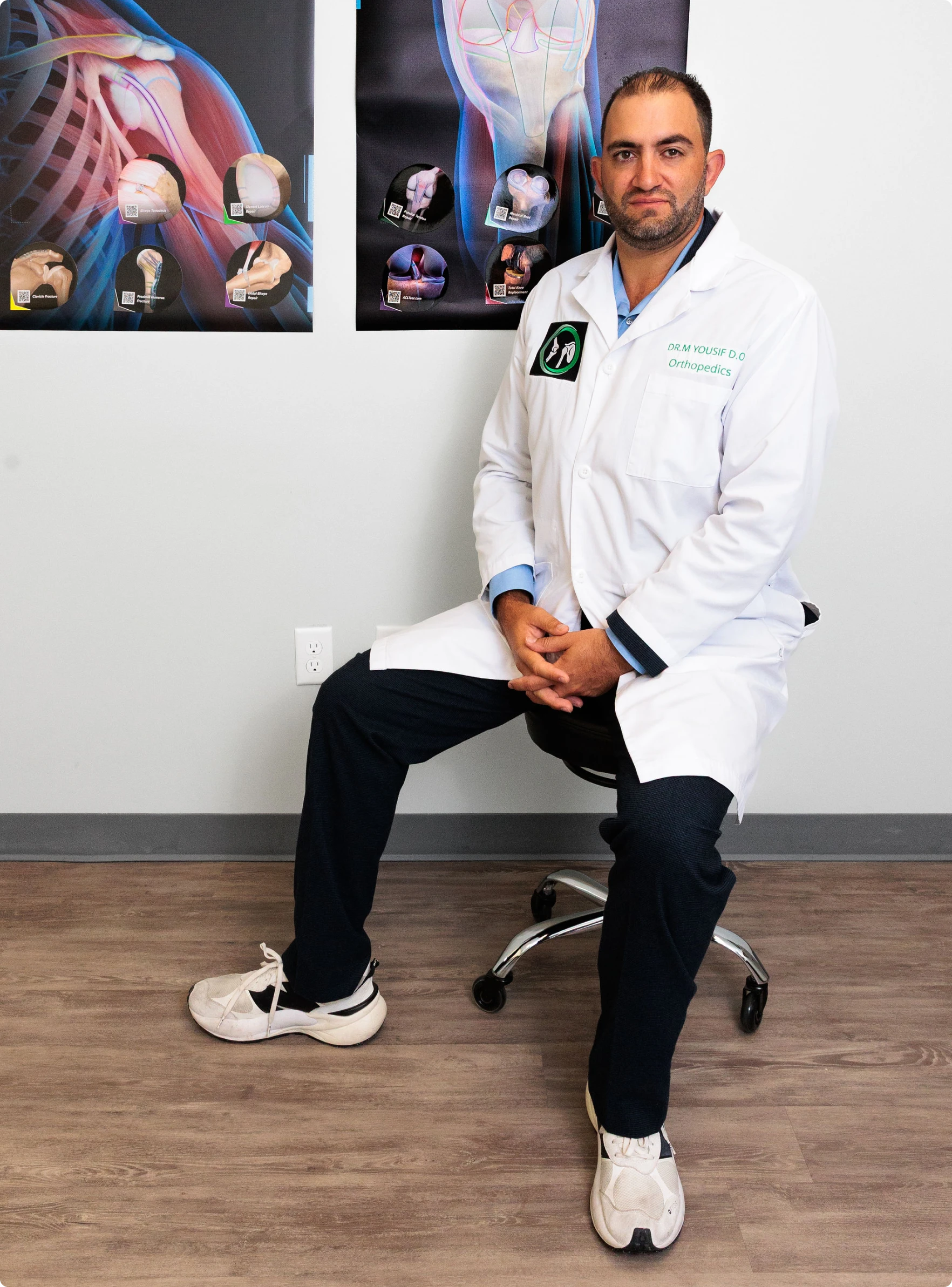
Hip Bursitis: Symptoms, Causes & Care

- Diagnosis
How is hip bursitis diagnosed?
Diagnosis starts with a history and a hands-on exam, and imaging is used mainly to rule out other causes of outer hip pain. The exam checks for tenderness over the bony point of the hip, pain when standing on one leg, how you walk, and hip motion and strength.
At Yousif Orthopedic Surgery , diagnosis may include:
- Detailed history and physical examination
- Evaluation of hip bursitis symptoms such as lateral hip pain and tenderness
- Gait and movement assessment
- Digital X-rays to assess bone structure and rule out arthritis
- Ultrasound or MRI when deeper soft tissue visualization is needed
A hip bursitis test on its own rarely settles it. The exam, the pattern of your pain and the imaging together do.

Hip Bursitis Causes
Hip bursitis most commonly develops due to ongoing mechanical irritation rather than a single traumatic event. The hip bursa is designed to reduce friction between bones, tendons, and muscles, but when repetitive stress or abnormal movement overwhelms this protective structure, inflammation occurs. Understanding the root cause is essential for effective hip bursitis treatment and long-term relief.
Repetitive Hip Stress:
Activities such as running, cycling, or frequent stair climbing place repeated pressure on the hip bursa. Over time, this constant friction irritates the bursal lining, leading to inflammation and the gradual onset of hip bursitis symptoms.

Muscle Imbalance or Weakness:
Weak hip abductors, gluteal muscles, or core stabilizers alter normal hip mechanics during walking or movement. This imbalance increases friction over the bursa, making it more vulnerable to irritation and chronic inflammation.
Direct Trauma:
A fall, collision, or direct impact to the outer hip can compress and inflame the bursa. Even a single traumatic event can trigger acute bursitis, which may persist if underlying movement issues are not addressed.
Prolonged Pressure:
Regularly lying on the same side during sleep or sitting for extended periods places sustained pressure on the lateral hip. This constant compression reduces blood flow and irritates the bursa, promoting inflammatory changes over time.
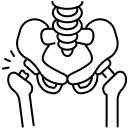
Biomechanical Abnormalities:
Structural issues such as leg length discrepancy, altered gait, or spinal alignment problems redistribute forces across the hip joint. These abnormal loading patterns increase stress on the bursa, contributing to the development and recurrence of hip bursitis.
- Common Symptoms
Common Hip Bursitis Symptoms
Patients with hip bursitis may experience:
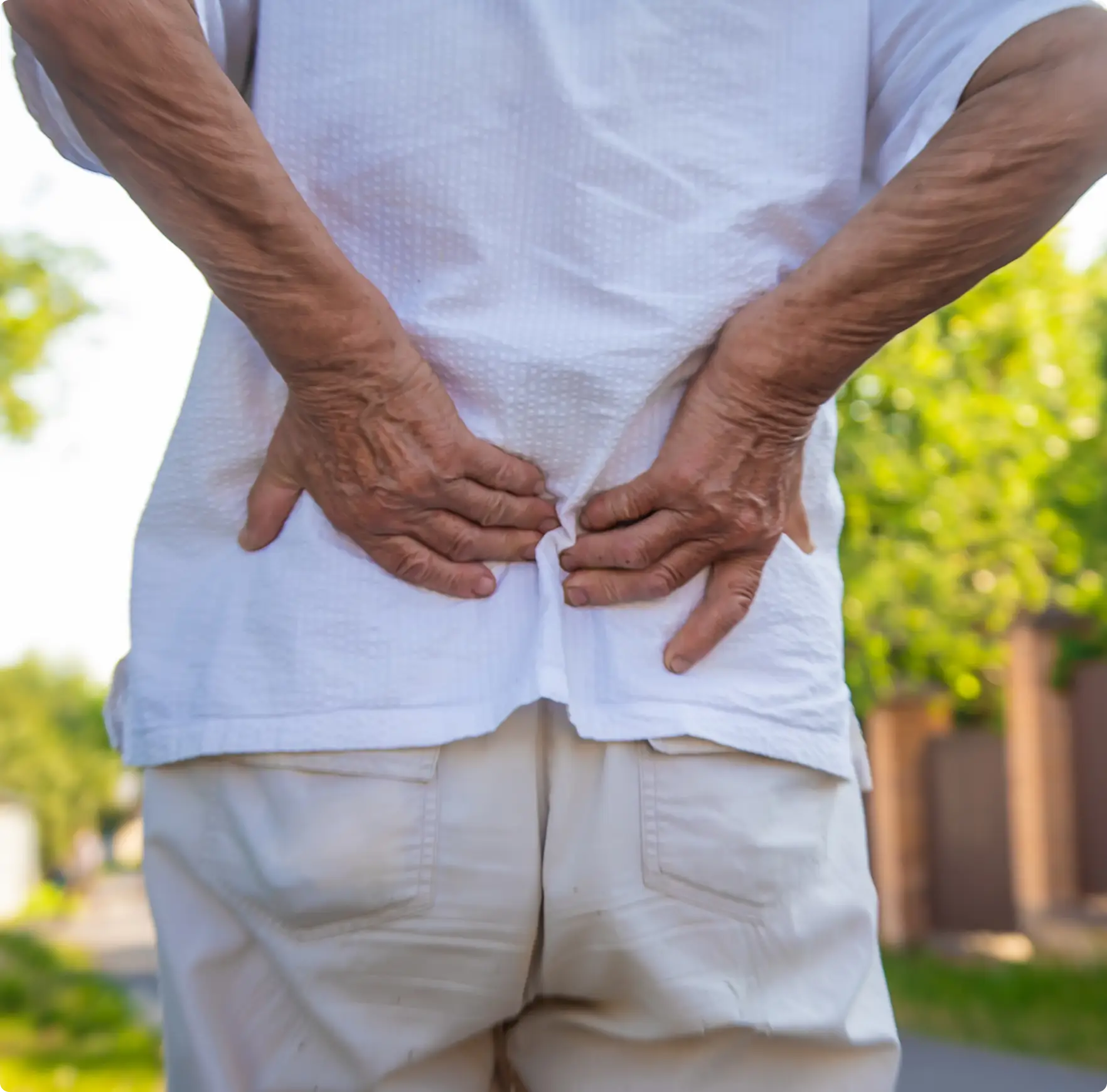
- Sharp or aching pain on the outer hip
- Tenderness to the touch over the greater trochanter
- Pain that worsens with walking, climbing stairs, or prolonged standing
- Discomfort when lying on the affected side
- Reduced hip range of motion
- Early recognition of hip bursitis symptoms helps guide conservative care and prevent escalation.
Hip Bursitis Treatment Philosophy
There is no one-size-fits-all answer for hip bursitis treatment. Effective care depends on the severity of symptoms, activity level, and underlying mechanics.
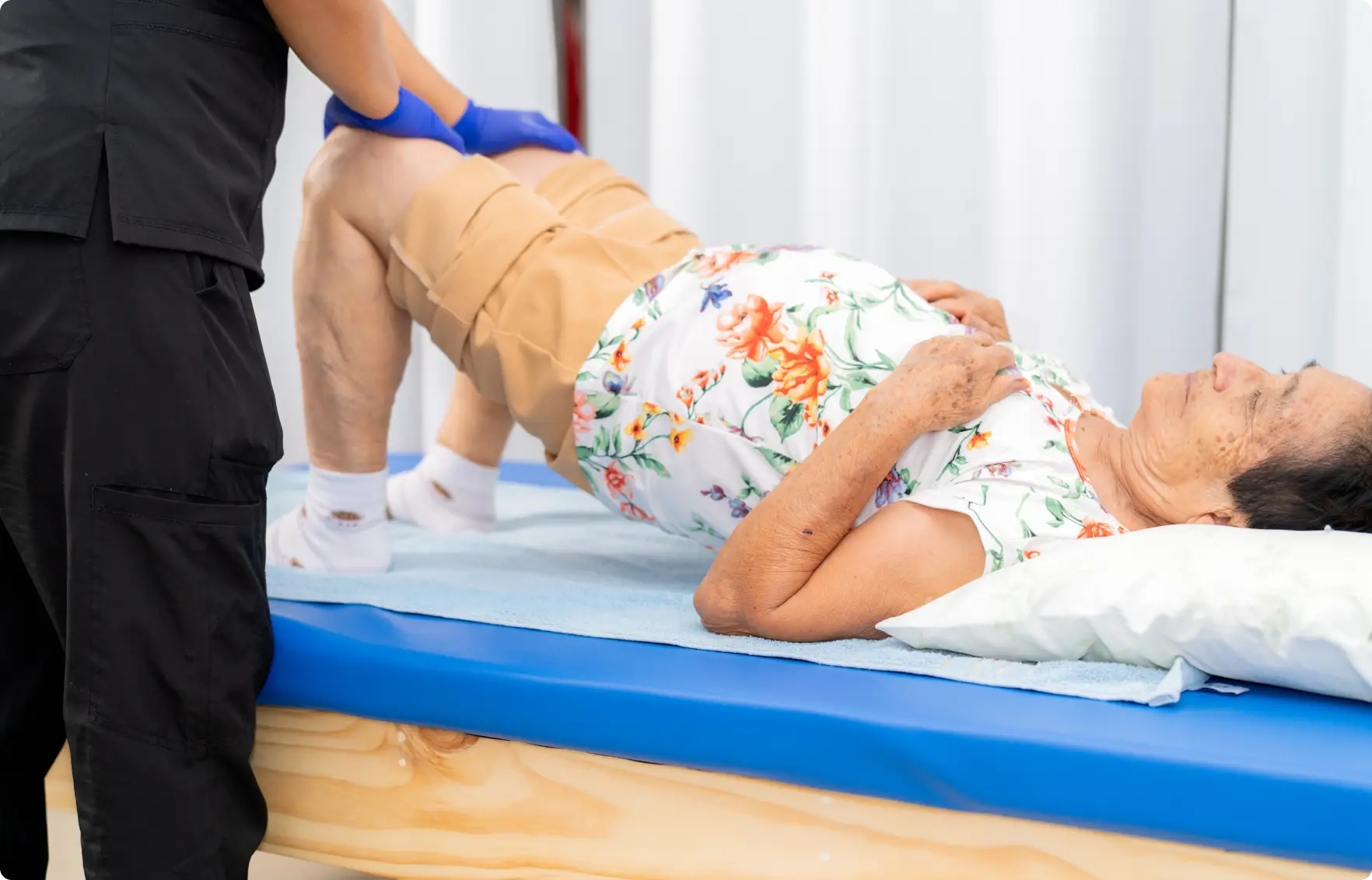
Non-Surgical Treatments (First-Line Care):
- Activity modification
- Targeted physical therapy
- Anti-Inflammatory Medications
- Ice, Rest, and Compression
- Image-Guided Injections
- Movement Retraining
Surgical Options (When Necessary)
Surgery for hip bursitis is rare and only considered when pain persists despite comprehensive non-surgical care or when associated structural conditions are identified. At Yousif Orthopedic Surgery our experts carry out detailed evaluation after extensive screening and imaging.

- Why Choose Yousif Orthopedic Surgery
Why Choose Yousif Orthopedic Surgery for Hip Bursitis Care?
- Hip Bursitis Specialists: Our team includes providers with focused experience in diagnosing and managing hip bursitis and related soft tissue conditions. This specialized expertise allows us to differentiate bursitis from labral tears, arthritis, or tendon disorders.
- Precision Diagnostics: We utilize advanced imaging, detailed physical examination, and movement analysis to identify subtle contributors to hip pain. By understanding how your hip moves, bears load, and compensates during activity, we uncover mechanical factors that often trigger or sustain bursitis.
- Conservative-First Philosophy: We prioritize non-surgical strategies whenever possible. Our treatment approach focuses on reducing inflammation, correcting movement patterns, and restoring tissue balance to relieve pain while preserving joint health.
- Personalized Care Planning: No two patients experience hip bursitis the same way. Your treatment plan is customized based on symptom severity, activity level, occupation, and recovery goals, ensuring care that fits your lifestyle and supports long-term relief, not just short-term symptom control.

We also operate in
Our primary office — 1500 West Big Beaver Road, Suite 115. Full diagnostic imaging, in-office procedures, and Dr. Yousif’s complete range of treatment services.
Detroit
Detroit-area patients regularly travel to our Troy office for joint replacement consultations, sports injury care, and orthopedic pain management.
Dearborn
We welcome Dearborn patients seeking specialized care for mobility restoration, joint health, and injury recovery at our Troy location.
Farmington Hills patients are a quick drive from our Troy office — no long commute needed for evaluation, treatment, or post-surgical follow-up.
Royal Oak residents come to us for shoulder, knee, and tendon condition management, with a conservative-care-first approach.
Southfield
Southfield patients have easy access to comprehensive orthopedic evaluation, non-surgical treatment, and pain management at our Troy office.
Novi-area patients can reach our Troy office in minutes for evaluation and treatment of joint, muscle, and sports-related injuries.
Bloomfield Hills
Bloomfield Hills patients are seen at our Troy office for advanced orthopedic evaluation and long-term mobility planning.
West Bloomfield
We see West Bloomfield patients for joint preservation, injury recovery, and non-surgical treatment planning at our Troy location.
Ann Arbor
Patients traveling from the Ann Arbor area receive the same personalized, non-surgical-first treatment planning as our closer-in patients.
Shelby TWP
Our second office — 53950 Van Dyke Avenue, Suite A, open Friday afternoons for follow-up visits and select appointments closer to the northern suburbs.
Schedule Your Consultation Today
Are you ready to move better and live without pain? Dr. Yousif is an expert orthopedic surgeon in Troy and Metro Detroit, Michigan. Schedule a consultation today to discuss your treatment options.
Your Pathway To Recovery

Schedule Your
Appointment
Book your consultation online or by phone.

Comprehensive
Assessment
We diagnose your condition using advanced technology.

Effective
Treatment
We create a custom plan to meet your specific needs.
- blog & articles
read top articles from expert doctors
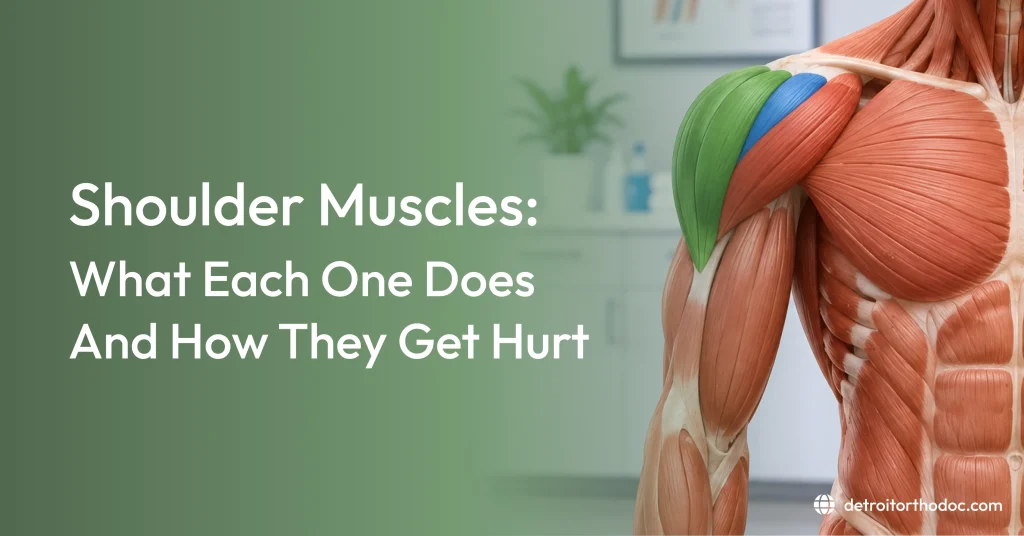
Shoulder Muscles: what each one does and how they get hurt
The short answer: the shoulder has more than a dozen muscles, and the deltoid is only one of them. Four small rotator cuff muscles keep the ball of your arm bone centered in its shallow socket, while larger muscles across the chest, back and shoulder blade supply power and steer the socket as your arm […]
Pain Behind the Knee: What Causes It and How It Is Treated
Pain behind the knee can be confusing because so many structures crowd into that small space. Tendons, muscles, a major vein, nerves, and part of the joint itself all sit in the hollow at the back of the knee. When that area aches, swells, or tightens, the cause is not always obvious from the outside. […]

Shoulder Blade Pain: Causes, Relief, and When to Worry
Shoulder blade pain is most often caused by muscle strain, poor posture, or a pinched nerve in the neck, and it usually improves with activity changes, posture correction, and targeted exercise. Less often, it is referred from the heart, lungs, or gallbladder. Call 911 for shoulder blade pain with chest pressure, shortness of breath, sweating, […]
Shoulder Anatomy: What’s Inside Your Shoulder Joint
Shoulder anatomy consists of three bones (the clavicle, scapula, and humerus), four joints (glenohumeral, acromioclavicular, sternoclavicular, and scapulothoracic), and the soft tissues that hold them together: the labrum, joint capsule, ligaments, rotator cuff muscles and tendons, and bursae. This design gives the shoulder the widest range of motion in the body, and it is also […]

Knee Pain When Bending: What’s Causing It and How to Fix It
Knee pain when bending can turn everyday movements into a chore: squatting to pick something up, climbing stairs, kneeling in the garden, or standing up from a chair. If you keep asking yourself, “Why does my knee hurt when I bend it?”, the answer usually depends on two things: where the pain sits and when […]

Knee Pain Location Chart: What Your Pain Means
Quick answer: A knee pain location chart matches where your knee hurts to the structures underneath. Front pain usually involves the kneecap or its tendons, inner pain the medial meniscus or MCL, outer pain the IT band or lateral meniscus, and pain behind the knee a Baker’s cyst, hamstring strain or PCL injury. Location narrows […]
- Faqs
Answer to your questions?
Have questions about our services, appointments, or recovery process? Here are answers to some of the most common questions our patients ask—so you can feel informed and confident every step of the way.
Is hip bursitis the same as trochanteric bursitis?
Trochanteric bursitis is the most common type of hip bursitis. It affects the bursa over the bony point of the hip, called the greater trochanter. Many clinicians now say greater trochanteric pain syndrome, because the gluteal tendons attached at the same spot are often irritated along with the bursa.
Why is hip bursitis more common in women?
The American Academy of Orthopaedic Surgeons (AAOS) lists women and middle-aged or older adults as more likely to develop it. The symptoms are the same in men and women, and so are the treatment options.
Can hip bursitis cause a lump or swelling?
Visible swelling isn’t typical of hip bursitis. A bump you can see or feel, or swelling with warmth, redness or fever, needs an exam promptly, because an infected bursa and other problems look different from ordinary bursitis.
How many cortisone shots can I have for hip bursitis?
One injection into the bursa often gives relief for a few months or longer. AAOS says a repeat shot may be considered a few months later, but the number should be limited because long-term use may damage surrounding tissue.
Why does hip bursitis hurt more at night?
Lying on the painful side presses directly on the inflamed bursa. Sleeping on the other side with a pillow between your knees, or on your back, takes that pressure off. Our hip pain at night guide covers sleep positions in more detail.
How do I tell hip bursitis from hip arthritis?
Bursitis usually hurts on the outer side of the hip and is tender when pressed there. Arthritis more often causes groin pain and stiffness inside the joint. An exam and an X-ray sort the two out, and some people have both. See our hip arthritis page for more.

Find The Best Orthopedic Doctor Near You
Contact Info
Office Timings
Monday - Friday
(8:00am to 4:00pm)
Don’t Ignore Outer Hip Pain, It Could be Something Serious!
Many patients delay care for hip bursitis, assuming pain will resolve on its own. Left untreated, inflammation can become chronic, altering movement patterns and leading to secondary injuries. Early evaluation by a hip bursitis doctor near me ensures an accurate diagnosis and a personalized care plan focused on recovery and preservation.